sexta-feira, 28 de dezembro de 2012
Cantinho Vegetariano: Papinhas Vegetarianas
Cantinho Vegetariano: Papinhas Vegetarianas: Introdução em etapas A criança bebe apenas leite por praticamente seis meses. Por isso, é preciso introduzir as papinhas aos poucos. O mé...

segunda-feira, 24 de dezembro de 2012
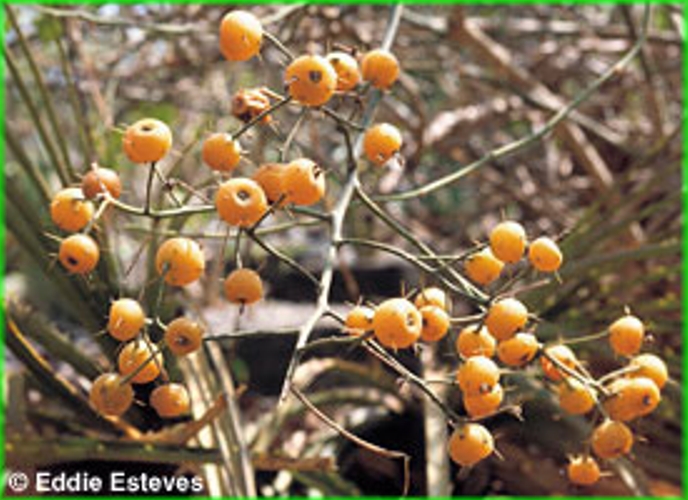
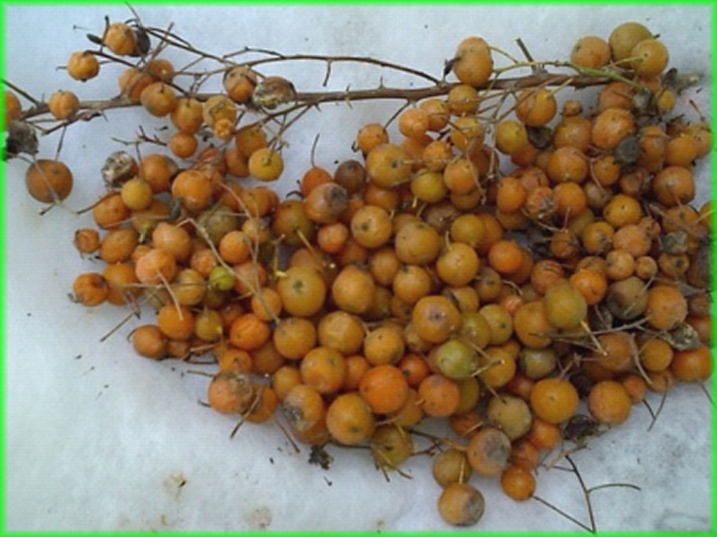
Ora-pro-Nóbis....oremos por tds NÓS!!!!
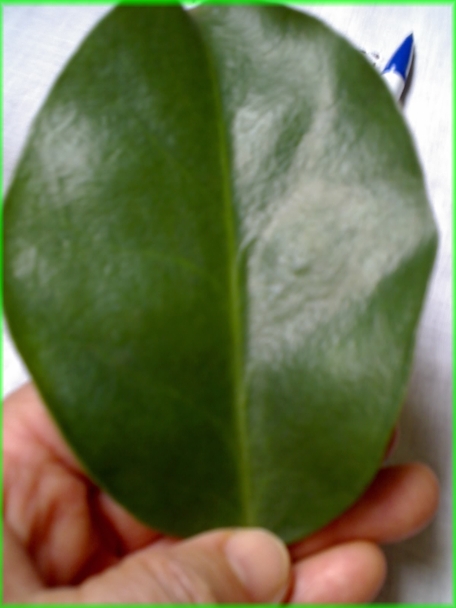
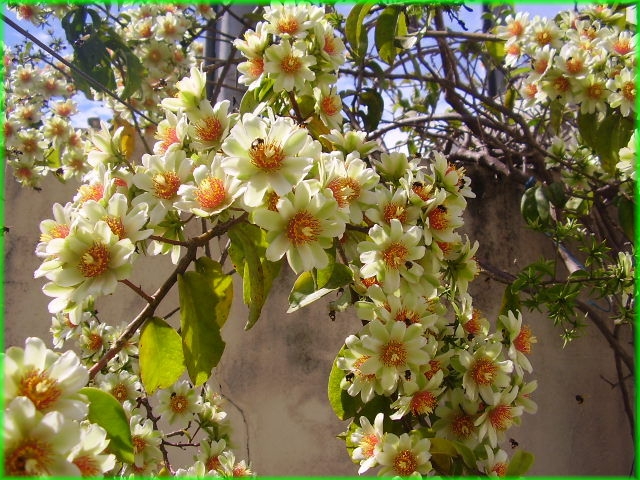
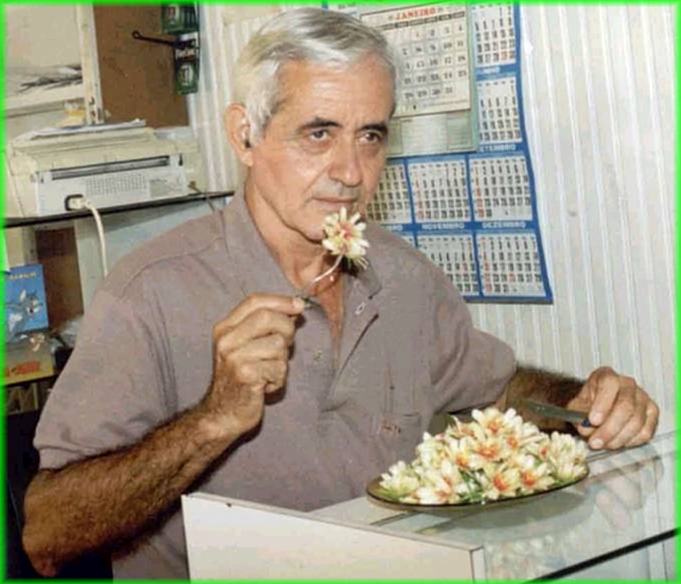
COPIO E COLO informações super importantes sobre a planta ORA-PRO-NÓBIS
http://www.sempresustentavel.com.br/terrena/ora-pro-nobis/ora-pro-nobis.htm
http://www.sempresustentavel.com.br/terrena/ora-pro-nobis/ora-pro-nobis.htm
| |||||||||||||||||||||||||||||||||||||||||||||||||||||||||||||||||||||||||||||||||||||||||||||







segunda-feira, 10 de dezembro de 2012
Feira de Sementes e Mudas em Alto Paraíso 15 e 16 dez 2012
Iniciativa importantíssima!!!!!!!!!
Tanto a Feira quanto o blog!!!!!!
aho- coletivos sw organizando co LABOR ATIVA MENTE S E COR AÇÕES....
sementes....semen.....são re começo.....
sementes....semen.....são re começo.....
http://feiradesementesemudas.blogspot.com.br/
TERÇA-FEIRA, 4 DE DEZEMBRO DE 2012

Nos dias 15 e 16 de dezembro acontece em Alto Paraíso de Goiás a II Feira de Sementes e Mudas da Chapada dos Veadeiros, promovida pelo Centro UnB Cerrado em parceria com a Cooperativa Frutos do Paraíso. O evento tem como objetivo central a criação de uma rede de conservação, difusão e troca de sementes crioulas na região e será palco de importantes debates e do intercâmbio de experiências entre agricultores locais, representantes do poder público, de organizações não governamentais, indígenas, bem como professores da Universidade de Brasília (UnB) e comunidade em geral.
Uma série de atividades compõe a programação da feira, que dá continuidade à discussão iniciada em 2011. Desta vez, com enfoque exclusivo no resgate e utilização das sementes, por meio de palestras, rodas de prosa e formação de grupos de trabalho que possibilitem o aprofundamento e ampliação do conhecimento sobre o uso da agrobiodiversidade de forma a contribuir para o desenvolvimento da agroecologia, da autonomia dos agricultores e para a segurança e soberania alimentar na região.
A exposição, troca e comercialização de sementes e mudas estão previstas para a tarde de sábado, na Feira do Produtor Rural de Alto Paraíso, onde também será realizado o lançamento de cartilhas sobre três comunidades rurais do município (Assentamento Sílvio Rodrigues, Comunidade do Sertão e Povoado do Moinho). O material, fruto de projetos implementados pelo Centro UnB Cerrado em 2011 e 2012, traz o retrato histórico e socioeconômico de cada localidade, selando a conclusão das atividades do ano letivo.
Encerrar o ano com a promoção da feira é uma oportunidade para o Centro UnB Cerrado dar retorno à população de Alto Paraíso sobre ações executadas em quase dois anos e consolidar a aliança com a Cooperativa, fortalecendo a cadeia produtiva agroecológica da região. A troca de sementes é um momento privilegiado para a constituição de redes de reciprocidade e para a transmissão de conhecimentos. Além disso é parte fundamental no processo de conquista da autonomia produtiva por parte dos agricultores e fator decisivo na garantia da segurança alimentar na Chapada dos Veadeiros.
O convite para a II Feira de Sementes e Mudas da Chapada dos Veadeiros é aberto a toda comunidade. Para saber mais, confira a programação completa do evento neste blog.
segunda-feira, 3 de dezembro de 2012
Ação com jovens de comunidades rurais de Alto Paraíso de Goiás
http://www.cnph.embrapa.br/organica/pdf/programacao_seminario_agroecologia.pdf
Ação com jovens de comunidades rurais de Alto Paraíso de Goiás
LARANJEIRA, Nina Paula¹, LULKIN, Claudia
¹Centro UnB Cerrado, ninalaranjeira@unb.br
Palavras-Chave: educação ambiental, segurança alimentar, sustentabilidade,
identidade,
Relato de Experiência
Este resumo trata da experiência desenvolvida no âmbito do Centro UnB Cerrado
(ainda em andamento), em áreas rurais do município de Alto Paraíso de Goiás, com
início em junho de 2011. Esta ação é parte do projeto da Emenda Funcional
Programática da Bancada do Distrito Federal nº 7108 0004 19.572.0471.8976.001.
No ano de 2011, foi oferecido curso de Agroecologia, com 200 horas/aula, para jovens a partir de 14 anos, estudantes do ensino básico, nos espaços das escolas (e em parceria com estas) das comunidades do Sertão e da Cidade da Fraternidade/
Assentamento Silvio Rodrigues. Paralelamente, trabalhamos projetos de pesquisa e extensão com o intuito de conhecer as comunidades, utilizando metodologias científicas aplicadas pelos próprios estudantes. Foram levantados dados socioeconômicos, de produção agropecuária, de hábitos de vida e alimentares, e
descrição ambiental. O principal objetivo desta caracterização foi trabalhar a identidade dessas comunidades, sua relação com a terra, buscar alternativas para geração de renda e conservação do BIOMA CERRADO. Após essa caracterização,
em 2012 iniciamos o desenvolvimento de projetos propostos pelos estudantes.
Como desafio, a descrença e desinteresse da juventude no valor da terra enquanto meio de produção e de vida. Buscou-se valorizar o campo, por meio do trabalho com a identidade, e do debate de temas como agroecologia, comunidades do campo &
conservação do cerrado, mudança de paradigma na relação com a natureza & papel do homem do campo nesse contexto, segurança e soberania alimentar. As duas comunidades diferem em aspectos como geografia e estado de conservação do bioma, história, relação com a terra, relações sociais, produção de alimentos e
hábitos alimentares, papel de lideranças locais. Os respectivos contextos exigem diferentes ações, e resultaram em desdobramentos diferenciados para 2012. A comunidade do Sertão é mais tradicional, tem relação forte com a terra, há muitas
gerações no território, mas com grande dificuldade de acesso e dependência do transporte da prefeitura local para desenvolvimento do projeto. Por isso, o ritmo aí foi mais lento e optaram por fortalecer e ampliar os projetos iniciados na escola em 2011: sistema agroflorestal, viveiro, meliponicultura, banco de sementes e horta - e a partir destas experiências levar para as propriedades. Já no Assentamento SílvioRodrigues, iniciado com o acampamento do MST há oito anos, e com cinco de pré-
assentamento, boa parte das 119 famílias é oriunda de áreas urbanas, tendo pouca tradição de cultivo. Por outro lado, a Cidade da Fraternidade e sua mantenedora (OSCAL), onde está o Assentamento, oferecem grande suporte, incluindo o
transporte, oportunidades de formação e o ambiente da Escola Humberto de Campos, onde se faz o amálgama dessa nova cultura, e que vem a somar-se à ação da UnB. A dificuldade de acesso à água e a falta de energia elétrica na maioria dos
lotes cria diversas dificuldades que estão sendo discutidas. Assim, os projetos aí desenvolvidos buscam soluções para a questão da água, por exemplo a construção de bomba carneiro a baixo custo, maior investimento na colheita e comercialização de sementes.
Agradecimentos:
OSCAL (Organização Social Cristã-Espírita André Luiz), e APROMAS (Associação dos Produtores e do Meio Ambiente do Sertão), entidades locais de apoio ao projeto.


Cactáceas na cuRa no sertão baiano
http://www.sbpmed.org.br/download/issn_06_2/artigo6_v8_n3.pdf
Baixar o PDF para estudo
Cactáceas na cuRa no sertão baiano.
Baixar o PDF para estudo
Cactáceas na cuRa no sertão baiano.
domingo, 2 de dezembro de 2012
Glycemic index diet: What's behind the claims Mayo Clinic
Free
E-newsletter
Subscribe to Housecall
Our weekly general interest
e-newsletter keeps you up to date on a wide variety of health topics.
Sign up nowe-newsletter keeps you up to date on a wide variety of health topics.

close window
Mayo Clinic Housecall
Stay up to date on the latest health information.
What you get
- Free weekly e-newsletter
- Mayo Clinic expertise
- Recipes, tools and other helpful information
- We do not share your e-mail address
http://www.mayoclinic.com/health/glycemic-index-diet/MY00770
Glycemic index diet: What's behind the claims
By Mayo Clinic staffDefinition
Glycemic index diet is a general term for weight-loss diets that are based on your blood sugar level. Many popular commercial diets, diet books and diet websites revolve around the glycemic index, including Nutrisystem, the Zone diet and Sugar Busters.
A glycemic index diet uses the glycemic index to guide your eating plan. The glycemic index was originally developed to help improve blood sugar control in diabetes. The glycemic index classifies carbohydrate-containing foods according to their potential to raise your blood sugar level.
The glycemic index diet is not a true low-carbohydrate diet because you don't have to count carbohydrates (carbs). Nor is it a low-fat diet. It also doesn't require you to reduce portion sizes or count calories. But the glycemic index diet does steer you toward certain types of carbs.
Purpose
Diets based on the glycemic index suggest that you eat foods and beverages with low glycemic index rankings to help you keep your blood sugar balanced. Proponents say this will help you lose weight and reduce risk factors for certain chronic diseases.
Why you might follow the glycemic index dietYou might choose to follow the glycemic index diet because you:
- Want to change blood sugar imbalances related to your current diet
- Want to change your overall eating habits
- Don't want to count calories or go low-carb
- Want a diet that you can stick to for the long term
Check with your doctor or health care provider before starting any weight-loss diet, especially if you have any health conditions, including diabetes.
Diet details
Proponents of the glycemic index diet, sometimes called a low GI diet, say that high blood sugar levels are linked to a variety of health problems, including diabetes, obesity and heart disease. They say that following a diet based on the glycemic index can help you choose foods that will result in weight loss and prevention of chronic diseases. But scientific evidence supporting the role of the glycemic index diet in weight loss remains mixed. And you might be able to achieve the same health benefits by eating a healthy diet, maintaining a healthy weight and getting enough exercise.
Blood sugar basicsSugar (glucose) is a main source of energy for the cells that make up your muscles and other tissues. Glucose comes from two major sources: carbohydrates in food and extra stores in your liver. Carbohydrates come in the form of sugar, starch and fiber. After you eat or drink something with carbs, your body breaks down each type of carbohydrate in essentially the same way, converting it into sugar. The exception is fiber, which passes through your body undigested. The sugar then enters your bloodstream. From there, it enters individual cells throughout your body to provide energy. Extra sugar is stored in your liver and muscles in a form called glycogen.
Two hormones from your pancreas help regulate the level of blood sugar. The hormone insulin moves sugar from your blood into your cells when your blood sugar level is high. The hormone glucagon helps release the sugar stored in your liver when your blood sugar level is low. This process helps keep your body fueled and ensures a natural balance in blood sugar.
Blood sugar imbalanceSome food is thought to disrupt this natural balance by creating large spikes in your blood sugar level. When your blood sugar and insulin levels stay high, or cycle up and down rapidly, your body has trouble responding and over time this could contribute to insulin resistance. Insulin resistance is associated with a host of health problems, including:
- Type 2 diabetes
- Obesity
- High blood pressure
- Stroke
- Heart disease
Glycemic index rankingThe glycemic index ranks foods and beverages based on how they affect your blood sugar level. Foods are scored on a scale of 0 to 100. Only foods and beverages that contain carbs are ranked, since they have the biggest effect on blood sugar. You can find extensive lists online and in books of GI rankings, but many foods and beverages remain unranked. Manufacturers can pay to have their brand-name products ranked by Sydney University Glycemic Index Research Services in Sydney, Australia, which maintains a comprehensive database of glycemic index values for carbohydrate-containing foods.
Foods ranked by the glycemic index are given scores:
- High: 70 and up. Examples include instant white rice, brown rice, plain white bread, white skinless baked potato, boiled red potatoes with skin and watermelon.
- Medium: 56 to 69. Examples include sweet corn, bananas, raw pineapple, raisins and certain types of ice cream.
- Low: 55 and under. Examples include raw carrots, peanuts, raw apple, grapefruit, peas, skim milk, kidney beans and lentils.
With the glycemic index diet, a high glycemic index is undesirable. Proponents say that foods and beverages with high glycemic index scores are rapidly digested by your body. This causes a spike in your blood sugar, which may then be followed by a rapid decline in blood sugar, creating wide fluctuations in your blood sugar level. In contrast, items with low glycemic index rankings are digested more slowly, raising blood sugar in a more regulated and gradual way.
Because low glycemic index foods are absorbed more slowly, they stay in your digestive tract longer. This is why these foods are sometimes called slow carbs. These foods may help control appetite and delay hunger cues, which can help with weight management. Balanced blood sugar also can help reduce the risk of insulin resistance.
Typical menu for a glycemic index dietMany commercial diets are based on the glycemic index. What you can eat depends on the specific commercial diet you follow. Sydney University's glycemic index website doesn't promote specific commercial weight-loss plans or label carbs as good or bad. Rather, it recommends that you use the glycemic index to help you choose what foods to eat and suggests that you:
- Focus on breakfast cereals based on oats, barley and bran
- Choose breads with whole grains, stone-ground flour or sourdough
- Eat fewer potatoes
- Eat plenty of fruits and vegetables
- Avoid oversized portions of rice, pasta and noodles
Results
Weight lossCommercial diets that are based on the glycemic index say that you'll lose weight without having to count carbs or calories. Foods that have a low glycemic index ranking are said to make you feel full longer and to balance your blood sugar.
Results from research studies are mixed, and some studies have been of poor quality. Some studies show that calorie for calorie, there's little difference in hunger after eating a high GI food or a low GI food. Other studies, though, conclude that you're more likely to lose weight and reduce your body mass index (BMI) with a glycemic index diet than with a traditional diet, even if you're obese and need to lose a significant amount of weight. That may be, at least in part, because it's easier to stick to the glycemic index diet for the long term since it's not considered an extreme diet.
One study showed that participants following the Zone diet maintained a weight loss of about 7 pounds (3.2 kilograms) after one year — about the same amount of weight lost as in the three other diets in the study. There have been few studies about the impact of the glycemic index diet on weight loss after a year or more. But some evidence suggests that a diet higher in protein and lower on the glycemic index may lead to sustained weight loss. Some evidence also suggests that you may lose weight on a glycemic index diet simply because you choose more fiber and protein, which helps you reduce portion sizes and eat less.
Still other studies suggest that there's little if any evidence that having an elevated blood sugar level leads to weight gain if you're healthy. These studies note that insulin is vital to good health, and that insulin becomes a problem only when insulin resistance develops. Insulin resistance doesn't develop from eating certain carbs or proteins but from being overweight. Weight loss from any type of diet improves blood sugar control.
The bottom line is that to lose weight, you must reduce the calories you take in and increase the calories you burn. Traditional recommendations for weight loss advise losing 1 to 2 pounds (0.45 to 0.9 kilograms) a week by reducing calories and fat and emphasizing complex carbohydrates. Losing a large amount of weight rapidly could indicate that you're losing water weight or lean tissue, rather than fat.
Health benefitsProponents of the glycemic index diet say that you can improve or reduce the risk of serious diseases, including diabetes and cardiovascular disease.
Almost any diet can reduce or even reverse risks factors for diabetes and cardiovascular disease — if it helps you shed excess weight. And most weight-loss diets can improve blood cholesterol or blood sugar levels, at least temporarily.
On the other hand, the glycemic index doesn't rank foods according to how healthy they actually are. Indeed, some foods with the preferred lower GI ranking may, in fact, be less healthy because they contain large amounts of calories, sugar or saturated fat, especially packaged and processed foods. Both potato chips and ice cream, for instance, have a lower glycemic index ranking than do baked potatoes, even though baked potatoes are generally considered healthier. So while lower GI items may help blood sugar balance, choosing them indiscriminately could lead to other health problems.
Other concernsOne major concern with the glycemic index is that it ranks foods in isolation. But in reality, how your body absorbs and handles carbs depends on many factors, including how much you eat; how the food is ripened, processed or prepared; the time of day it's eaten; other foods you eat it with; and health conditions you may have, such as diabetes. So the glycemic index may not give an accurate picture of how one particular food affects your blood sugar. Glycemic load is a related concept that scores a food product based on both carb content and portion size. But the larger the portion size, the greater the calories consumed whether the glycemic index is high or low.
It also can be difficult to follow a glycemic index diet on your own. For one thing, most foods aren't ranked by glycemic index. Packaged foods don't generally list their GI rank on the label, and it can be hard to estimate what it might be. And for some types of food, the glycemic index database has multiple entries — you may not be sure which entry is accurate.
On the other hand, many generally healthy foods are naturally low on the glycemic index, such as whole grains, legumes, vegetables, fruits and dairy products. If you eat a healthy diet, based on fresh foods that aren't highly processed, you may get the same benefits of the glycemic index diet. But if you need extra guidance toward healthier choices, the glycemic index may help.
Risks
Studies of the glycemic index diet haven't revealed any specific health risks to following the diet. However, it's possible that if you choose lots of low GI foods that are high in calories, sugar and saturated fats, you could develop some of the same health problems the diet hopes to prevent.
A Guide to eating a plant-based diet
http://zenhabits.net/plants/
A Guide to Eating a Plant-Based Diet
Post written by Leo Babauta.
If I could make a single dietary recommendation to people looking to get healthier, it would be to move to a plant-based diet.
Eating plants has been the best change I’ve made in my diet — and I’ve made a bunch of them, from intermittent fasting to low-carb experiments to eating 6 meals a day to eating almost all protein to eliminating sugar (all at various times).
Plants have made me slimmer, healthier, stronger, more energetic — and have increased my life expectancy (more on all this below).
Of course, the diet is simple, but moving away from the Standard American Diet to a plant-based one isn’t always so simple for most people.
Changing your diet can be difficult, but in this guide I’ll share a bit about how to change, talk a bit about why, and what you might eat.
What’s a Plant-Based Diet?
The simple answer, of course, is that you eat plants. You eliminate animals and (eventually) animal products like dairy and eggs.
The less simple answer is there is an abundance of plant foods that most people never eat, and eating a plant-based diet means you might widen the variety of foods you eat. For example, some of my favorite foods include: tempeh, seitan, tofu, kale, broccoli, quinoa, ground flaxseeds, ground chia seeds, raw almonds and walnuts, raw almond butter, olive oil, all kinds of berries, figs, avocados, tomatoes, lentils, black beans, spirulina, hemp seeds, nutritional yeast, organic soymilk, sweet potatoes, squash, carrots, apples, peaches, mangoes, pineapple, garlic, red wine, green tea, brown rice, sprouted (flourless) bread, brown rice, steel-cut oats.
A “plant-based diet” can be basically another way to say “vegan”, though many people do use the term to mean that you eat almost all plants with some animal products. In this post, I’ll be focusing on veganism, as I believe it’s the ultimate plant-based diet.
Why Should I Change?
There are a few important reasons to eat plants:
- Health. The basis of this guide is health, and many people switch to eating plants because they want to lose weight, improve their heart health, stay healthy as they age, improve blood pressure or deal with diabetes. A plant-based diet has been shown to help with all of these things — if you also stay away from the processed foods. A diet of processed flour and sugar and fried foods isn’t healthy even if it’s all plants (more on this below). The healthiest populations in the world are plant based: the Okinawans (traditionally at almost all plants such as sweet potatoes, soybeans, lots of veggies, with a little fish and occasional pork), theSardinians (beans & veggies, red wine, some cheese, meat only once a week), and the vegan Seventh-Day Adventists in Loma Linda, California who are the longest-living Americans. Eating plants is the best thing you can do to reduce your risk of the leading causes of death.
- Environment. Honestly, while this is very important to me, it’s probably the least important of the three reasons on this list (for me personally, that is). But it’s huge: the biggest way to reduce your carbon footprint is to stop eating animal products — better than giving up a car (next best) or using less energy in your home or traveling by plane less or recycling or using solar energy or driving an electric car or buying fewer things. The animals we raise for food production use a ton of resources, eat way more plants than we do (which in turn also require resources to be grown), give off huge amounts of planet-warming methane, breathe out a lot of carbon dioxide, and create a lot of pollution. This 2006 United Nations report concludes that “Livestock have a substantial impact on the world’s water, land and biodiversity resources and contribute significantly to climate change. Animal agriculture produces 18 percent of the world’s greenhouse gas emissions (CO2 equivalents), compared with 13.5 percent from all forms of transportation combined.” And it takes 4,000 to 18,000 gallons of water to make the beef for one hamburger, according to a recent report from the U.S. geological survey.
- Compassion. For me, this is the most important reason to move away from eating animals. I’ve talked a lot about compassion on this site, but by far the most cruel thing any of us does each day is consume animals (and their products). The cruelty that is perpetuated on these living, feeling, suffering beings on our behalf is enormous and undeniable. If you don’t believe me, watch this video with Sir Paul McCartney or this video about pigs. While I became vegan for health reasons, I stick with it for reasons of compassion — wanting to reduce the suffering of other sentient beings.
But … if you don’t do it to avoid pollution, heart disease, cancer, diabetes, stroke, increased death rates, animal cruelty, global warming, deforestation, and higher costs … maybe weight loss would do it. Vegetarians and vegans weigh less on average than meat eaters. That’s even after adjusting for things like fibre, alcohol, smoking … and calorie intake! Half of Americans are obese, but vegans tend to be much less obese (with exceptions of course).
That said, just going vegan will not necessarily cause you to lose weight. You could easily eat a lot of sugar, white flour, fake meats and fried foods and gain weight. If you eat whole plant foods, you’re likely to lose weight. Plant foods, for starters, have pretty much no saturated fat, low calories and tons of fiber, while animal foods all have saturated fat, lots of calories and zero fiber.
Beating Death: I highly recommend watching this video on uprooting the causes of death using a plant-based diet. It’s a bit long, but well worth the time.
How to Change
It will be no surprise that I recommend people start small and change slowly. A good plan is to make the change in stages:
- Slowly cut out meat. This stage is actually several smaller stages. You might try starting with Meatless Mondays and then, over time, expanding to other days of the week. Another common idea is to start by cutting out red meat, and then poultry, then seafood, in gradual stages of a month or even six months. There is no rush — do it at the pace that feels good to you. Another important point is that, as you eliminate meat, don’t just fill it with starches (which don’t have that much nutrition). Try new foods, experiment with ethic recipes, and explore different nutrients as you make these changes.
- Eliminate eggs. After you cut out red meat and poultry, you’ll be pescatarian (seafood). When you eliminate seafood, you’re vegetarian! If you’re eating eggs and dairy, that’s called a “lacto-ovo” vegetarian. You can then eliminate eggs — and no, they’re not cruelty-free. This is one of the easier stages, in my experience.
- Cut out dairy. This tends to be harder for most people. Not because of milk (soymilk and almond milk are good alternatives that just take a few days to adjust to) … but because of cheese. I hear a lot of people say, “I can’t give up my cheese!” — and I empathize, as this was a sticking point for me too. It helps that there are better and better cheese alternatives these days (Daiya being a favorite of many). But for me, what made all the difference is not focusing on what I was giving up, but on the good things I could eat!
- Eat whole, unprocessed foods. This is the phase that I’m in, and I wholly recommend it. You can go straight here if you have no problems changing your diet, but people eating the Standard American Diet will find it difficult, because the foods are very different than what most people eat. For example, most people in the U.S. don’t eat many vegetables, and find them distasteful, especially dark green leafy veggies, which are the best. I now love vegetables, and kale is my best friend. Most people dislike protein-rich plant foods like tempeh, tofu, seitan, and beans. Most people don’t eat raw nuts — they eat roasted and salted nuts. However, all of this can change over time, which is why I recommend that you move into this slowly. What exactly is this phase? See the next section for details.
What to Eat
So what do you eat when you’re on a plant-based diet that focuses on whole foods? Lots!
A few categories of foods to include regularly:
- Beans and other protein. This means the regular kinds of beans, like lentils, black beans, kidney beans, pinto beans, garbanzo beans, etc. But it can also mean soybeans (edamame), tofu, tempeh, and seitan (protein from wheat, not good for gluten-intolerant people). It can also mean soymilk, soy yogurt, and the like, which are often fortified. Get organic, non-GMO soy.
- Nuts and seeds. My favorites include raw almonds and walnuts, along with ground flaxseeds and chia seeds, and hemp seed protein powder. Almond milk is also good. And quinoa — it’s like a grain, but really a seed, and full of nutrition.
- Good fats. Fats aren’t bad for you — you should just look to avoid saturated fats. Luckily, not many plant foods have saturated fats. Plants with good fats include avocados, nuts and seeds mentioned above, olive oil and canola oil.
- Greens. This is one of the most important and nutritious group of all. Dark, leafy green veggies are awesome, and full of calcium, iron and a ton of vitamins. My favorites: kale, spinach, broccoli, collards. Eat lots of them daily! They also have very few calories, meaning they pack a ton of nutrition in a small caloric package.
- Other fruits and veggies. Get a variety — I love berries of all kinds, figs, apples, citrus fruits, peaches, mangoes, bananas, pears, bell peppers, garlic, beets, celery, cauliflower … I could go on all day! Get lots of different colors.
- Good starches. Starches are not bad for you — but ones that have little calories aren’t great. So find starches that give you lots of nutrition. Sweet potatoes, red potatoes, squash, brown rice, sprouted whole wheat, steel-cut oats, among others.
- Some other healthy stuff. I love red wine, green tea, cinnamon, turmeric, spirulina and nutritional yeast.
OK, by now you might be overwhelmed by all of this. How do you put it together? It’s not that hard once you get used to it. Start learning some recipes that combine some of these foods into meals, and over time, you’ll have a few go-to meals that you love that are full of nutrition.
Some examples that I like (but don’t limit yourself to these!):
- Tofu scramble w/ veggies: some organic high-protein tofu crumbled and stir-fried with olive oil, garlic, diced carrots and tomatoes, spinach and mushrooms, and spiced with tamari, turmeric, sea salt and coarse black pepper.
- Steel-cut oats: cook some steel-cut oats, then add ground flaxseeds, raw nuts, berries, cinnamon.
- Stir-fry: Here’s my secret … you can make an endless combo of meals by cooking some garlic in olive oil, then cooking some veggies (carrots, bell peppers, mushrooms, etc.) and some protein (tofu, tempeh, seitan, etc.) and some greens (kale, broccoli, spinach, etc.) and some spices (turmeric or coconut milk or tamari & sesame oil, black pepper, salt).
- Veggie chili over quinoa: Black beans, kidney beans, pinto beans with olive oil, garlic, onions, tomatoes, bell pepper, diced kale, diced carrots, tomato sauce, chili powder, salt, pepper. Maybe some beer for flavor. Serve over quinoa or brown rice.
- One-pot meal: Quinoa, lentils, greens, olive oil, tempeh (or a bunch of other variations). Read Tynan’s post on cooking this all in one pot.
- Whole-wheat pasta: Serve with a sauce — some tomato sauce with olive oil, garlic, onions, bell peppers, diced kale and carrots, diced tomatoes, fresh basil, oregano.
- Big-ass Salad: Start with a bed of kale & spinach, throw on other veggies such as carrots, mushrooms, cauliflower, snow peas, green beans, tomatoes … then some beans, nuts and/or seeds … top with avocado. Mix balsamic vinegar and olive oil, or red wine vinegar and olive oil, sprinkle on the salad. Yum.
- Smoothies: Blend some almond or soy milk with frozen berries, greens, ground chia or flaxseeds, hemp or spirulina protein powder. Lots of nutrition in one drink!
- Snacks: I often snack on fruits and berries, raw almonds or walnuts, carrots with hummus.
- Drinks: I tend to drink water all day, some coffee (without sugar) in the morning, tea in the afternoon, and red wine in the evening.
My Food Journal: If you’d like to see my food journal (admittedly not always perfectly healthy), I’ve started one that you can see here.
Frequently Asked Questions
I’ll add to this section as questions come in, though obviously I can’t answer everything.
Q: Isn’t it hard to get protein on a vegan diet?
A: Not really, as long as you eat a variety of whole foods, and not a bunch of processed flours and sugars (the white kind that has little nutrition). There is protein in vegetables and grains, and even more in beans, nuts and seeds. I often eat protein-rich plant foods like tempeh, tofu, seitan, edamame, black beans, lentils, quinoa, soymilk, and raw nuts. Read more here.
Q: What about calcium or iron or B12?
A: Again, it’s not difficult at all. I’ve calculated the iron and calcium in my diet at various times, and as long as I’m mostly eating whole foods, it’s really easy. Nuts and green veggies are your best friends, but there’s also calcium-fortified soymilk and tofu and the like. Eat some kale, quinoa, raw nuts, various seeds, broccoli, tofu or tempeh … it’s not difficult. Vitamin B12 is a bit more difficult to get from regular plants, as the main source of B12 is usually animal products — including eggs and dairy. But actually, vegans have figured this out, and now if you drink fortified soymilk or almond milk, or use nutritional yeast or a few other good sources like that, you will have no worries. More reading on iron, calcium and B12 for vegans.
Q: Isn’t soy bad for you?
A: No. That’s a myth. I would stick to organic, non-GMO soy, but actually soy is a very healthy source of protein and other nutrients, and has been eaten by very healthy people for thousands of years.More info here.
Q: I follow the Paleo diet and believe this is how humans are meant to eat.
A: Well, if you’re eating unprocessed foods and have cut out white flours and sugars and deep-fried foods, you’re probably healthier than the average American. I admire the Paleo crowd that focuses on whole foods and that eats lots of veggies and nuts and seeds, but when it’s just an excuse to eat lots of meat, it’s not as healthy. It’s also not true that hunter-gatherer societies ate mostly meat — the crowd that believes this has made a flawed review of contemporary hunter-gatherers. Most traditional societies eat, and have pretty much always eaten, mostly plants, including lots of starches — respected anthropologists such as Nathanial Dominy, PhD, from Dartmouth College say that the idea of hunter-gatherers eating mostly meat is a myth. Also read this. I’d also warn against low-carb, high-protein diets over the long run — in the short term, you’ll see weight loss, but in the long run they’ve been shown to increase cardiovascular disease (from June 21, 2012 issue of British Medical Journal).
Q: It sounds difficult and complicated.
A: Actually it’s very simple — you just learn to eat a variety of plants. It does mean learning some new meals, but instead of seeing that as a hardship, think of it as something fun to learn. If you slowly change your eating patterns, it’s not hard at all. Be flexible and don’t be too strict — you’ll find that it’s much easier if you allow yourself an occasional meal with animal products, especially in the first 6-12 months.
Q: What about fake meats and cheeses?
A: There’s nothing wrong with giving them a try now and then when you’re having a craving for something, but in all honesty you don’t need them. They’re more expensive and less healthy. Basically, they’re convenience foods.
Q: What if I’m allergic to soy or gluten or nuts?
A: It’s still possible to get all the nutrition you need from a plant-based diets without a specific kind of food (like gluten or soy), from what I understand. More here.
Q: It sounds expensive.
A: Actually it can be a lot less expensive, if you stay away from the vegan convenience foods (which are fine on occasion). Meat is more expensive than beans or tofu, for example. While fresh, organic veggies can cost a bit, you should get these in your diet even if you eat meat — and in the long run, you’ll save much more on medical bills.
Q: There’s no way I’ll give up (eggs, cheese, ice cream, etc.)!
A: Well, you don’t have to. If you want to eat mostly plants but also eggs and cheese, that’s much better than eating meat. But there are cheese substitutes you can try, and vegan ice cream, and in the long run, you might find that giving these things up isn’t as difficult as you think.
Q: What about eating out at restaurants or social gatherings?
A: I’d recommend you take it slowly at first, and eat mostly plants at home, and be more liberal when you eat out, for a little while. You don’t want to make this too difficult on yourself. But actually, once you learn some simple strategies, it’s not that hard to find vegan food in restaurants — some are easier than others, and sites like Happy Cowmake it easy to find veg-friendly restaurants in your area. As for eating at friends’ and families’ houses, I’ve learned to offer to bring one or two vegan dishes, and it’s not usually a problem.
Q: What if my family and friends don’t support this change?
A: It’s best if you don’t start preaching — people don’t like it. This article might seem like a violation of that, but actually I rarely push veganism on this site, and when I do it’s only as a way to show others a healthy and compassionate alternative. Remember that those around you probably don’t know much about veganism, and are likely to react defensively. Take the opportunity, when they bring up the topic, to share what you’re learning, and the concerns you yourself had when you first learned about it. Show them some great vegan food. Share this guide with them. And always be patient.
Assinar:
Postagens (Atom)